YouTube
Check out this YouTube video!

Check out this YouTube video!
Types of Development we offer 

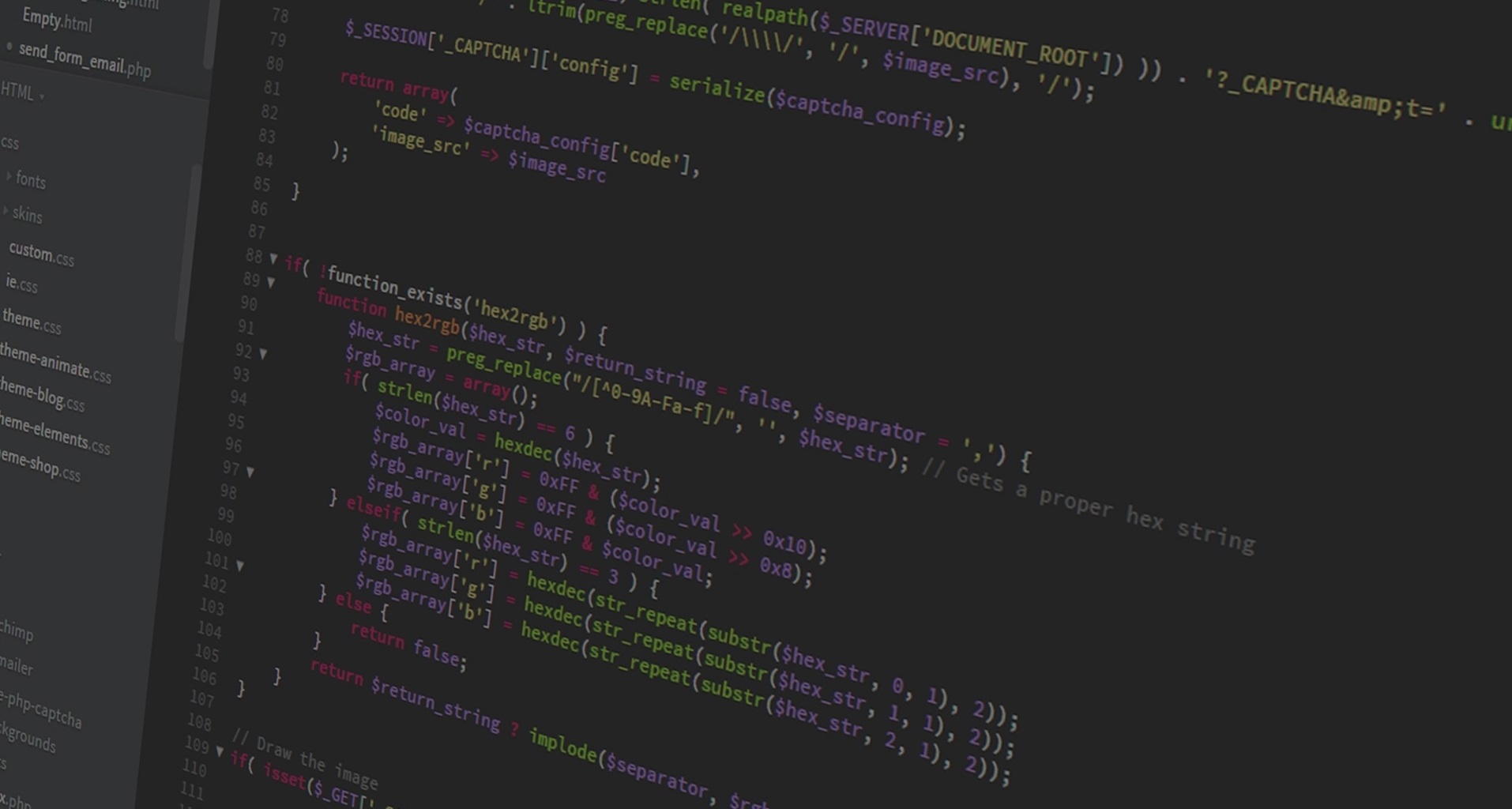
We make a user tested prototype in one week and give you a fixed price for implementation. Our developers have the best coding standards and are proud of their work. Up and running in a matter of days.
In foraml terms, Software development is the process of developing software through successive phases in an orderly way. This process includes not only the actual writing of code but also the preparation of requirements and objectives, the design of what is to be coded, and confirmation that what is developed has met objectives.
Ramashapa (I.T) has traditionally followed a waterfall-like process where research is strictly followed by design, which is then followed by testing. Each stage is finished before another starts, and there are no strict guidelines as to how long each stage should take.
| Watch this video

Scrum is an agile process most commonly used for product development, especially software development. Scrum is a project management framework that is applicable to any project with aggressive deadlines, complex requirements and a degree of uniqueness.
Scrum is the best agile development practice available today. It revolves around the team, the individual roles, and the product backlog—which is a collection of user stories ordered by importance (or business value). User stories are feature requests written from the perspective of the user.
The product owner is responsible for making sure the right user stories make it into the product backlog. He gives direction to the product and represents the end user and client. From our perspective this would be you. The scrum master makes sure the project is kept on track, and ensures that all team members have the tools they need. The scrum master is very similar to a project manager. The developers are responsible for the actual code being implemented. Other roles like designers and testers can be added where needed.
Sprints are short development cycles ranging from a couple of days to a maximum of a month in which a selection of user stories (the sprint backlog) are implemented. The length of the sprint is determined by the estimates provided for the user stories during the sprint planning. Short sprints cater for fast feedback and we can direction as soon as the next cycle.
The progress of the sprint is measured by the burn down chart—a highly insightful graphical representation of your sprint's progress. It can easily tell you if your sprint is going to finish on time and on budget.

